Army Hospital Trains
 Robert Gillespie, MD, MPH
Text and author’s photos copyright 2006 by Robert S. Gillespie.
Much of the RailwaySurgery.org website chronicles railway medicine in the civilian world. This section tells how the U.S. Army used trains for medical evacuation and treatment. The archive also contains a reprint of a 1945 article on hospital trains.
A Brief Summary of Wartime Medical Evacuation by Train
The Civil War (1861-1865)
First wartime use of trains
Varied from improvised boxcars to purpose-built cars funded by relief organizations
The Spanish-American War (1898)
A single train of Pullman tourist sleepers was used
World War I (1914-1918)
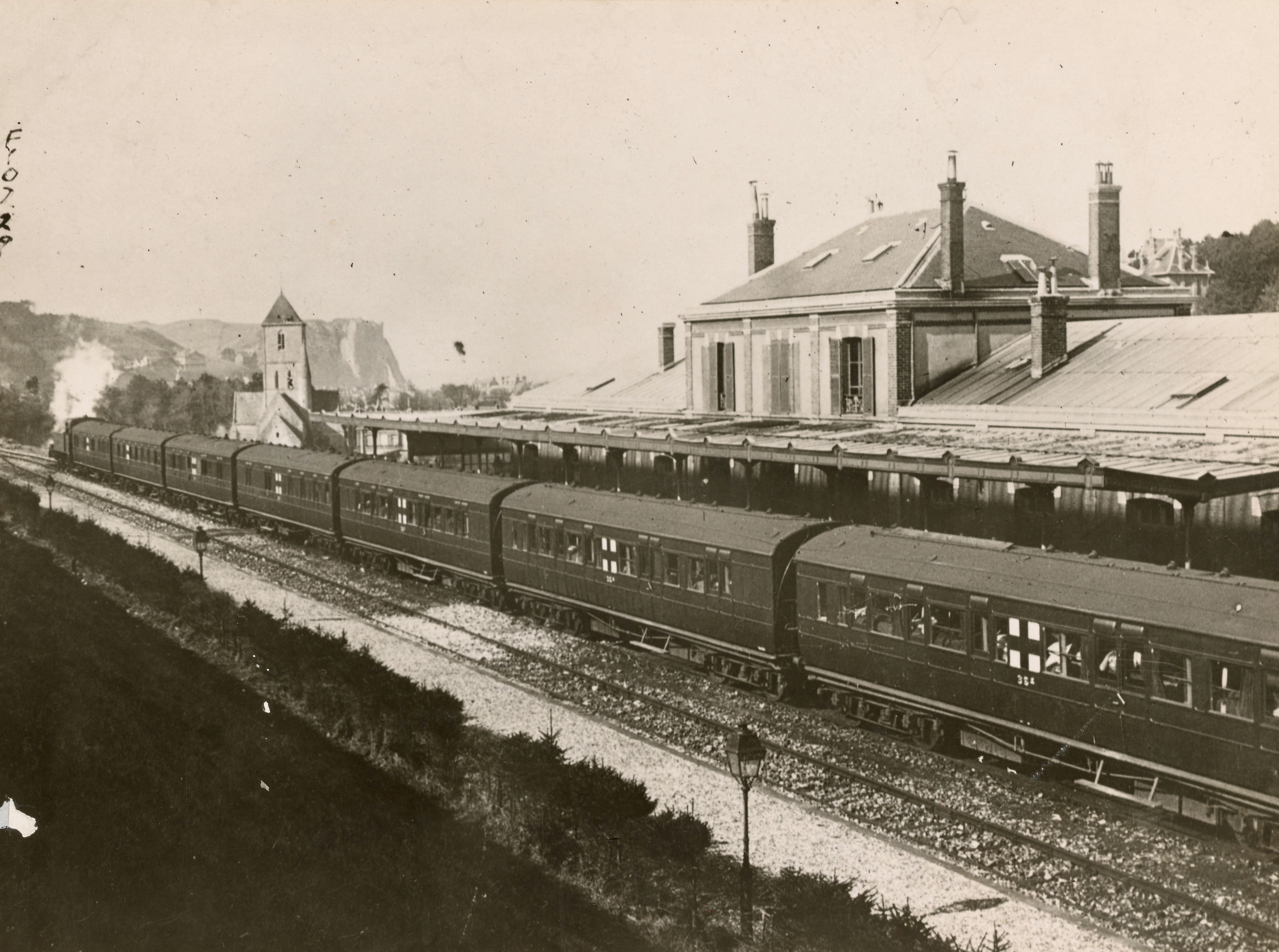
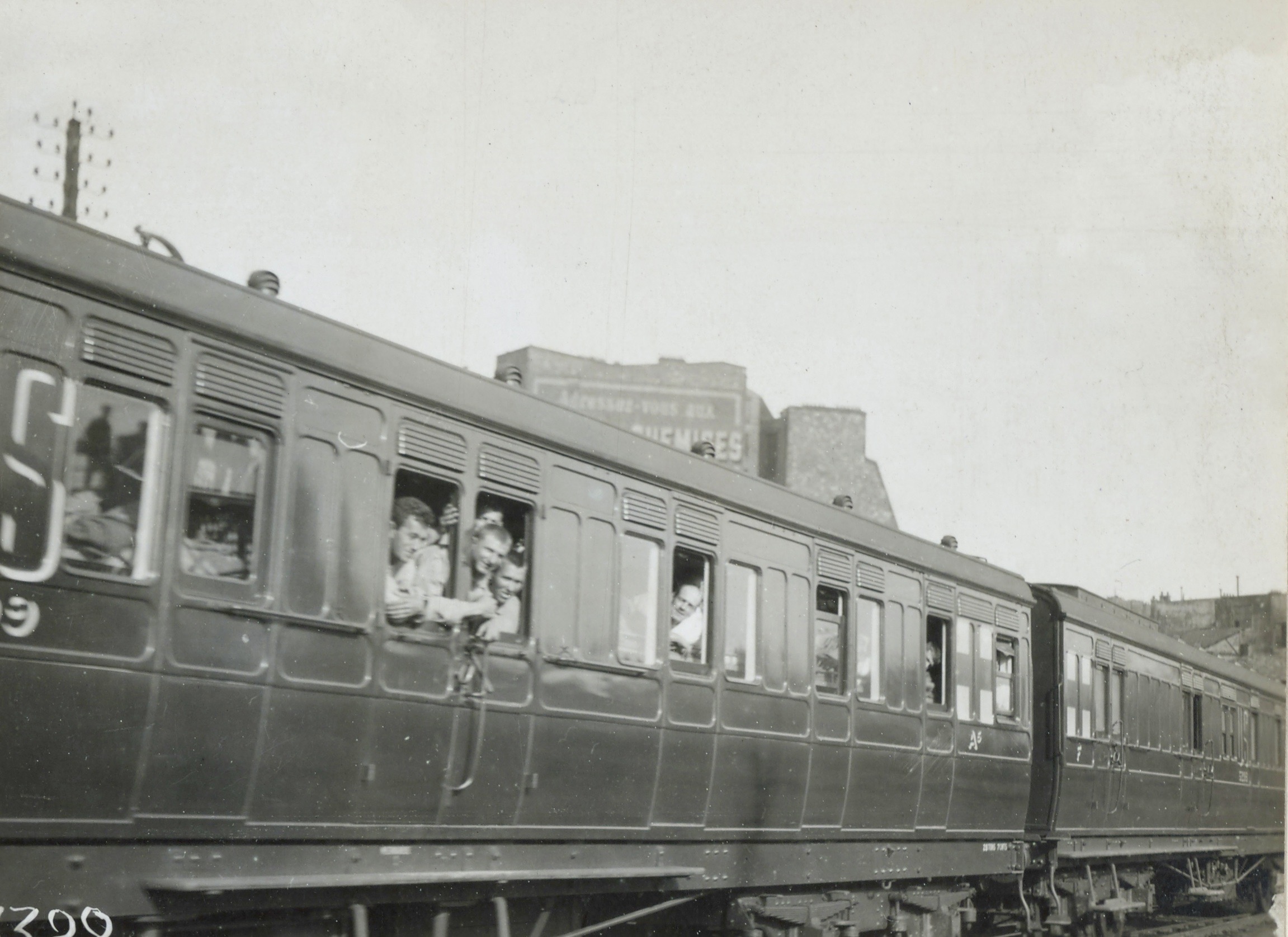
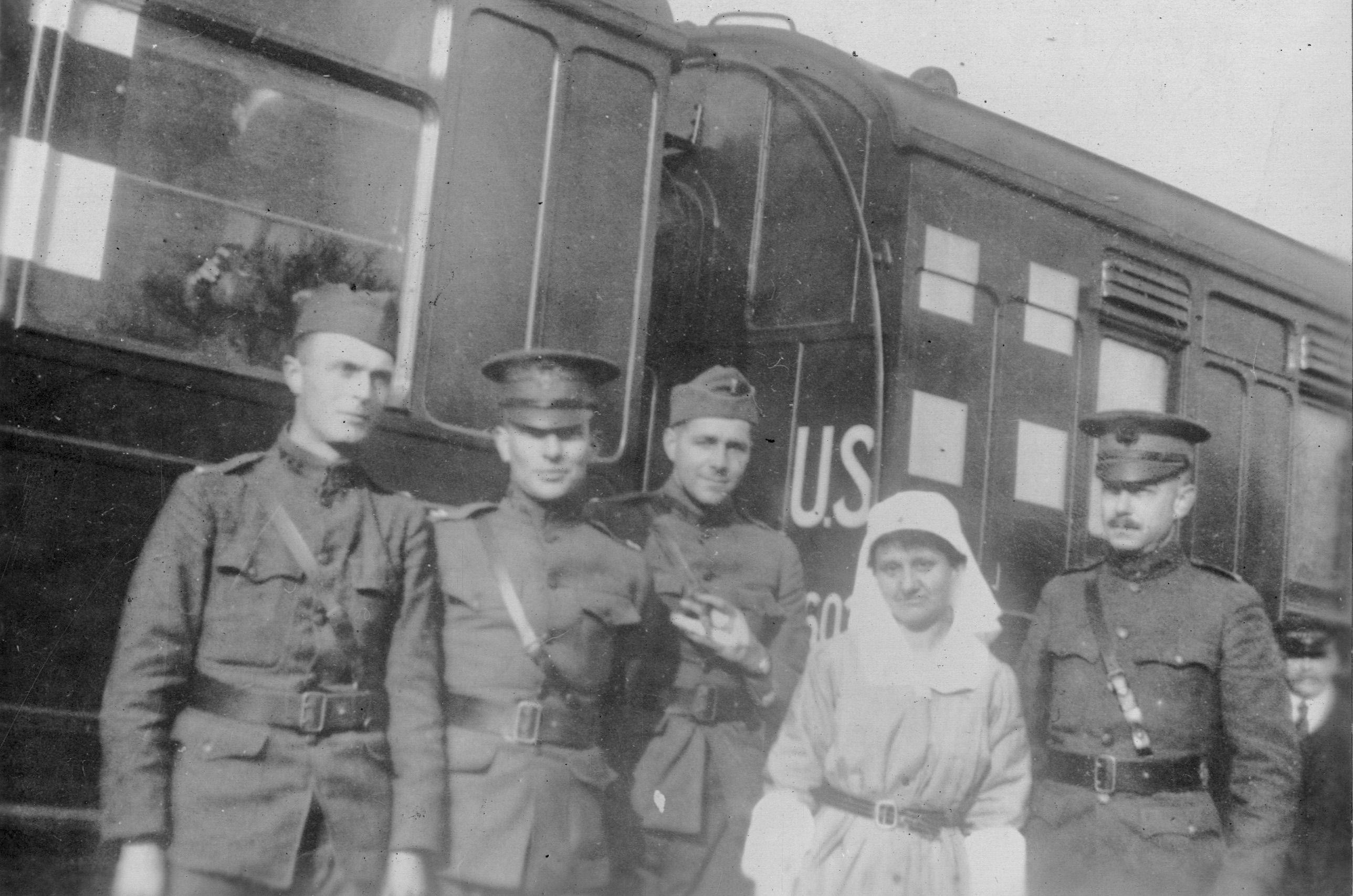
Custom-built unit cars and leased passenger cars were used. In Europe, local equipment was often used for military transportation. Little documentation of these trains remains. These photos from the National Archives and Records Administration show some WWI equipment:
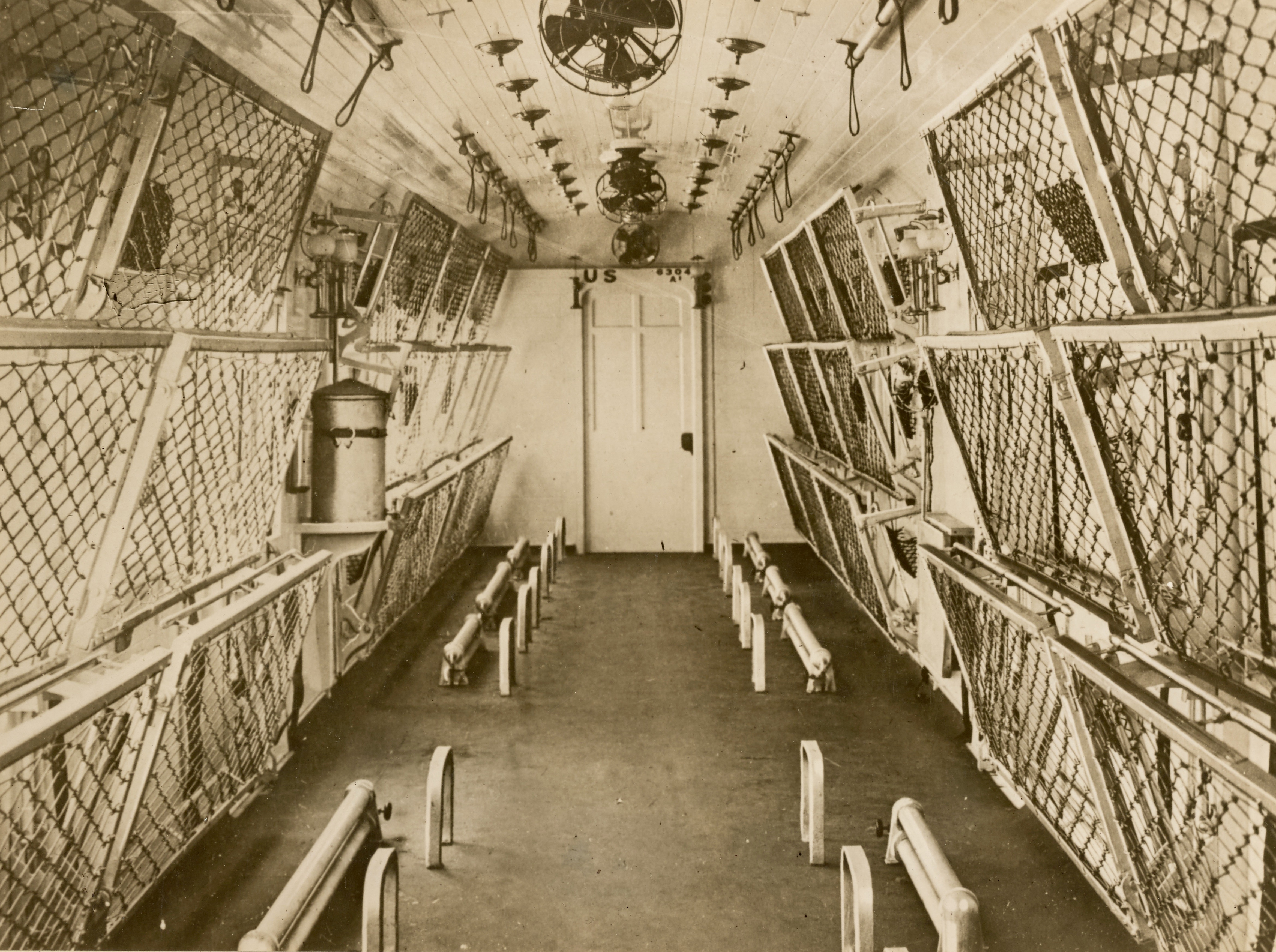
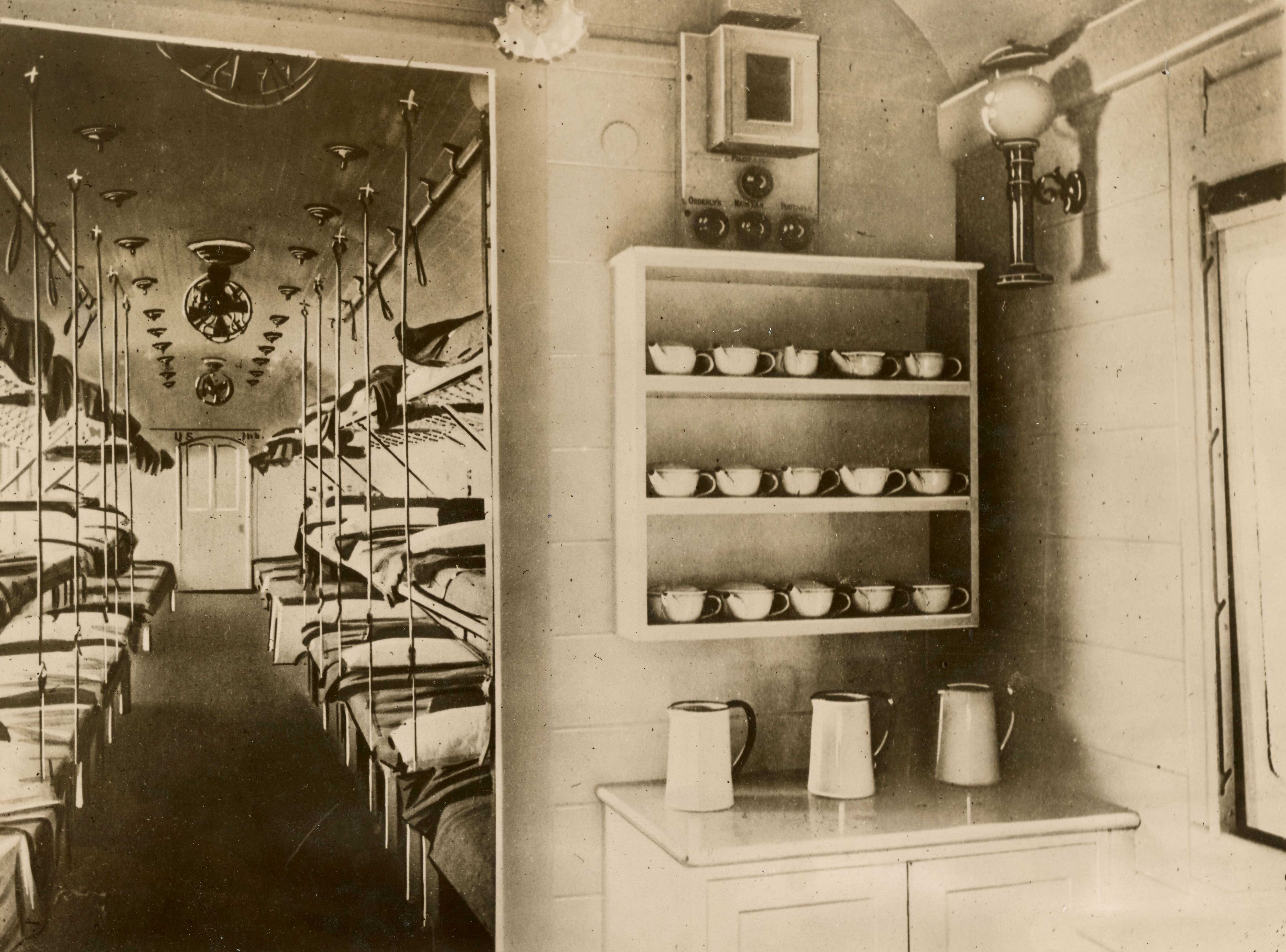
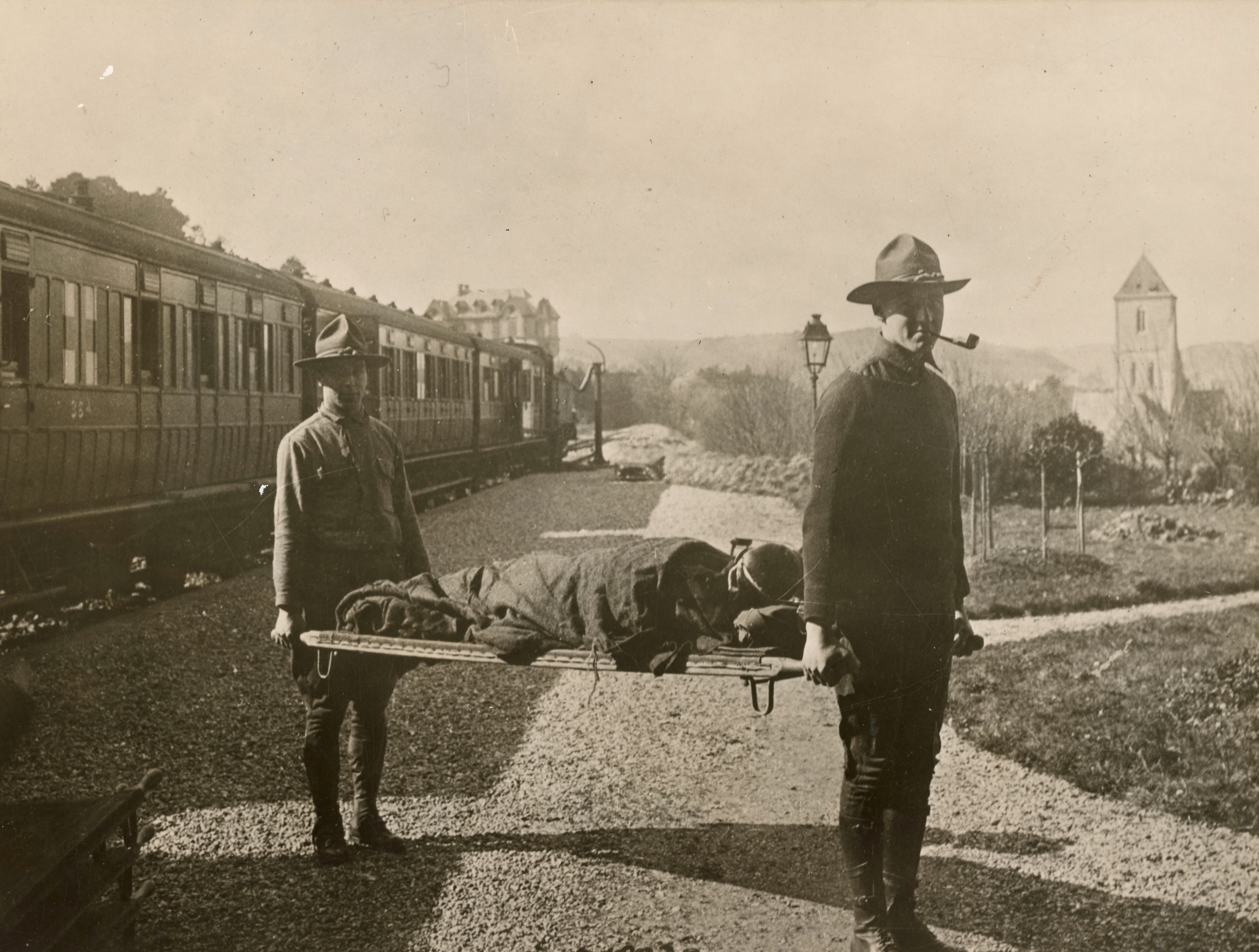
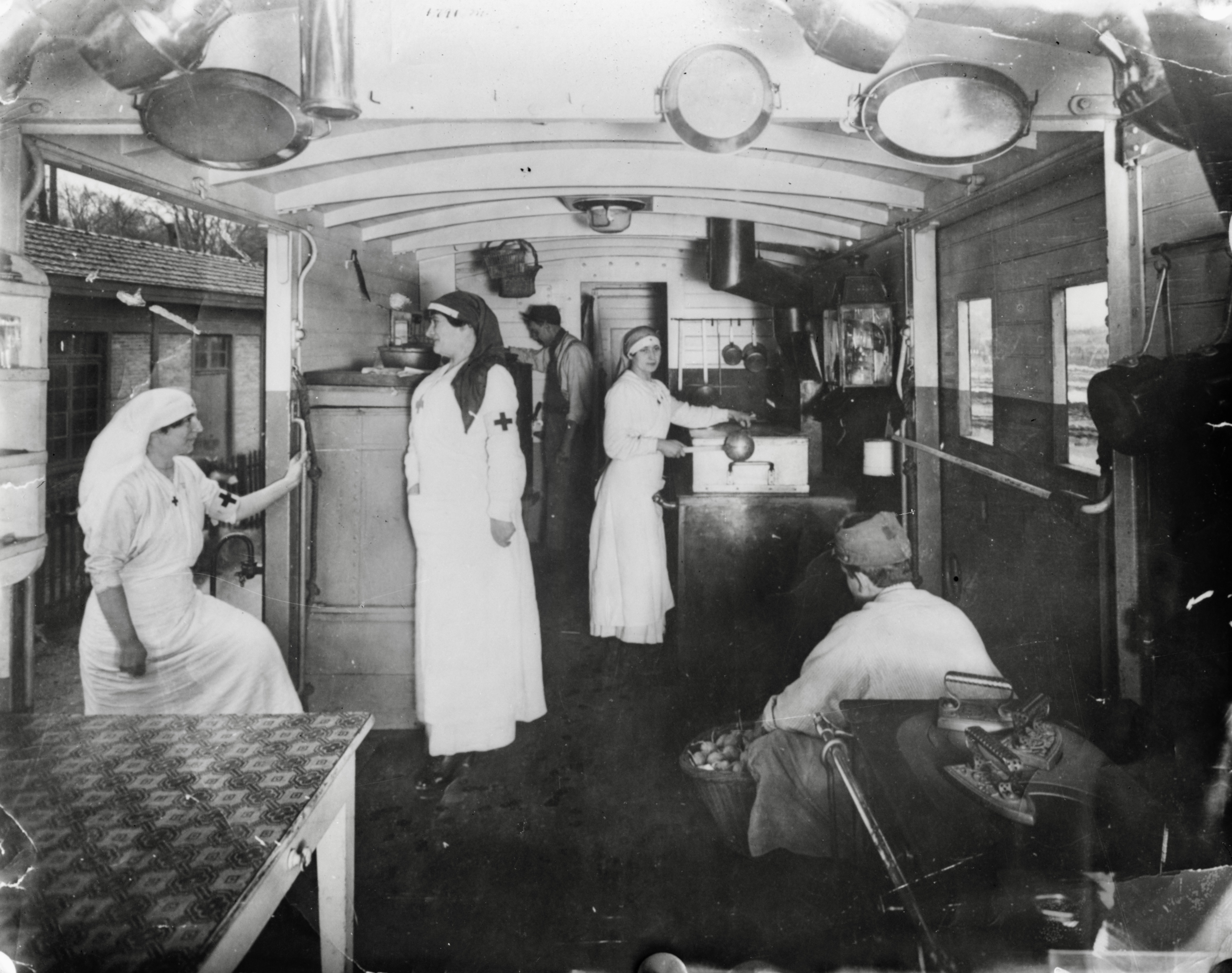
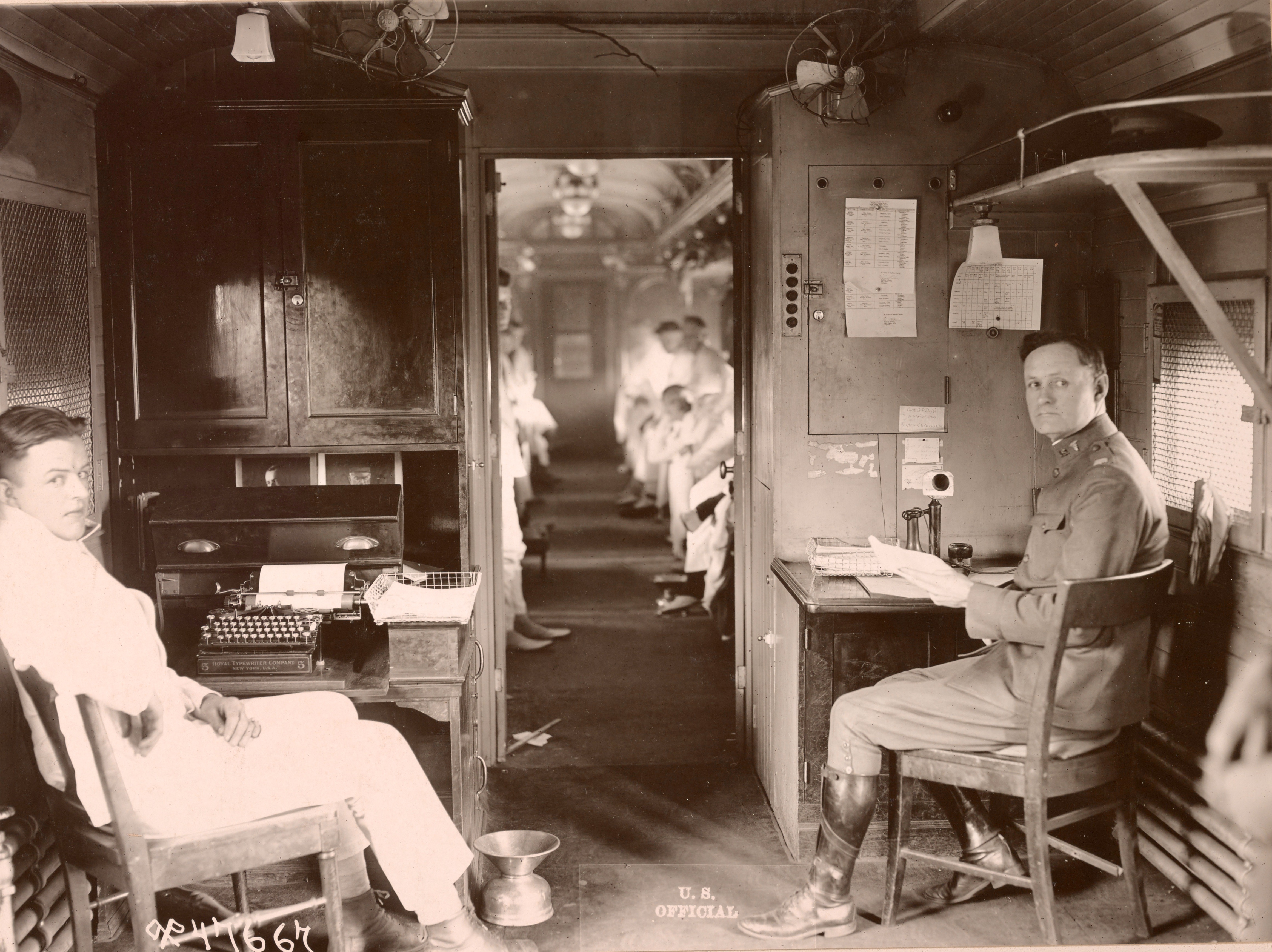
We also have links to digitized film clips of WWI hospital trains in action on our Motion Pictures page.
The U.S. and its allies were not the only ones using hospital trains during WWI. Germany also operated a hospital train for injured German soldiers. This was sponsored by Empress (Kaiserin) Augusta Victoria, the wife of German Emperor Wilhelm II, and it bore her name.
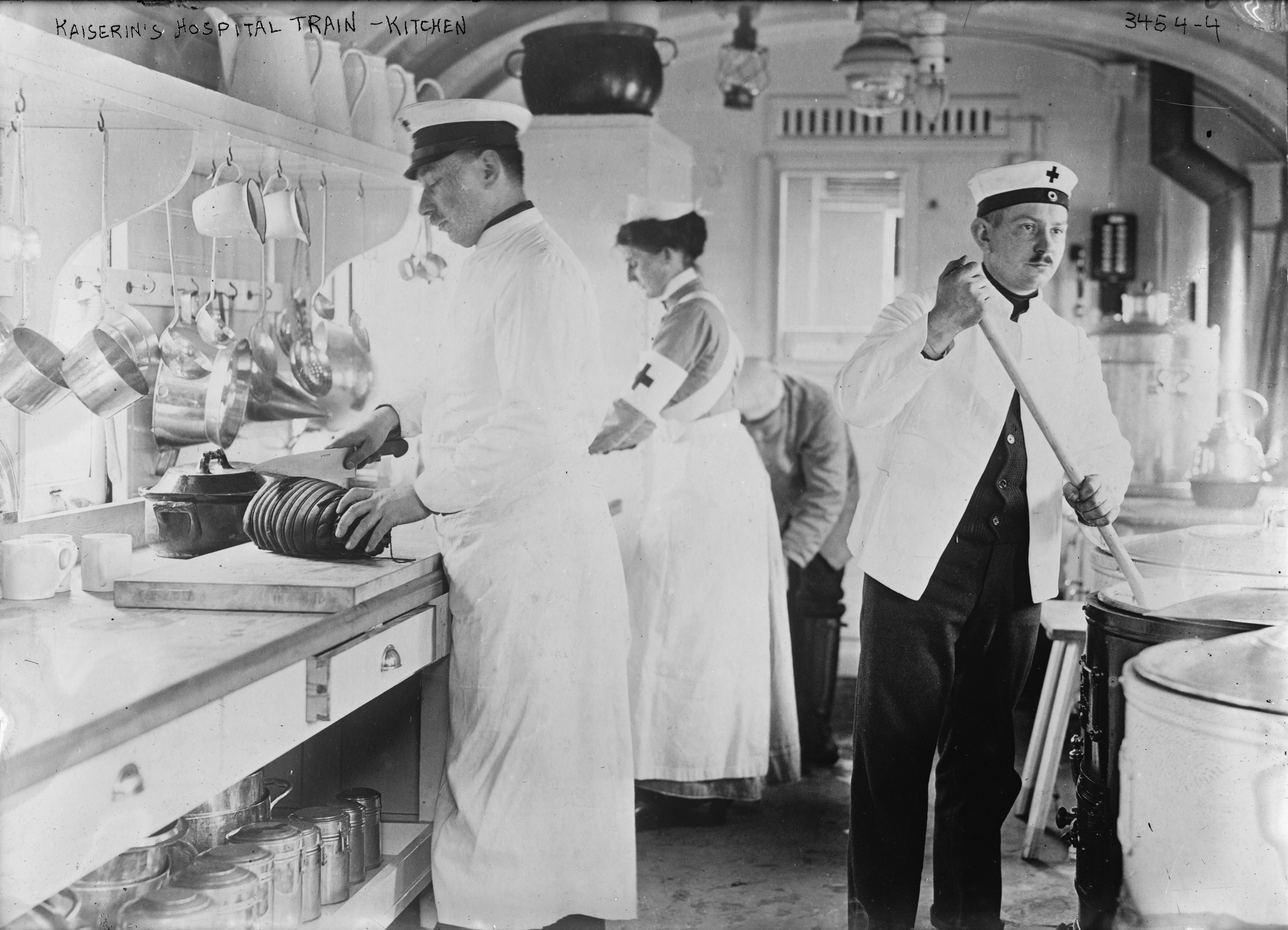
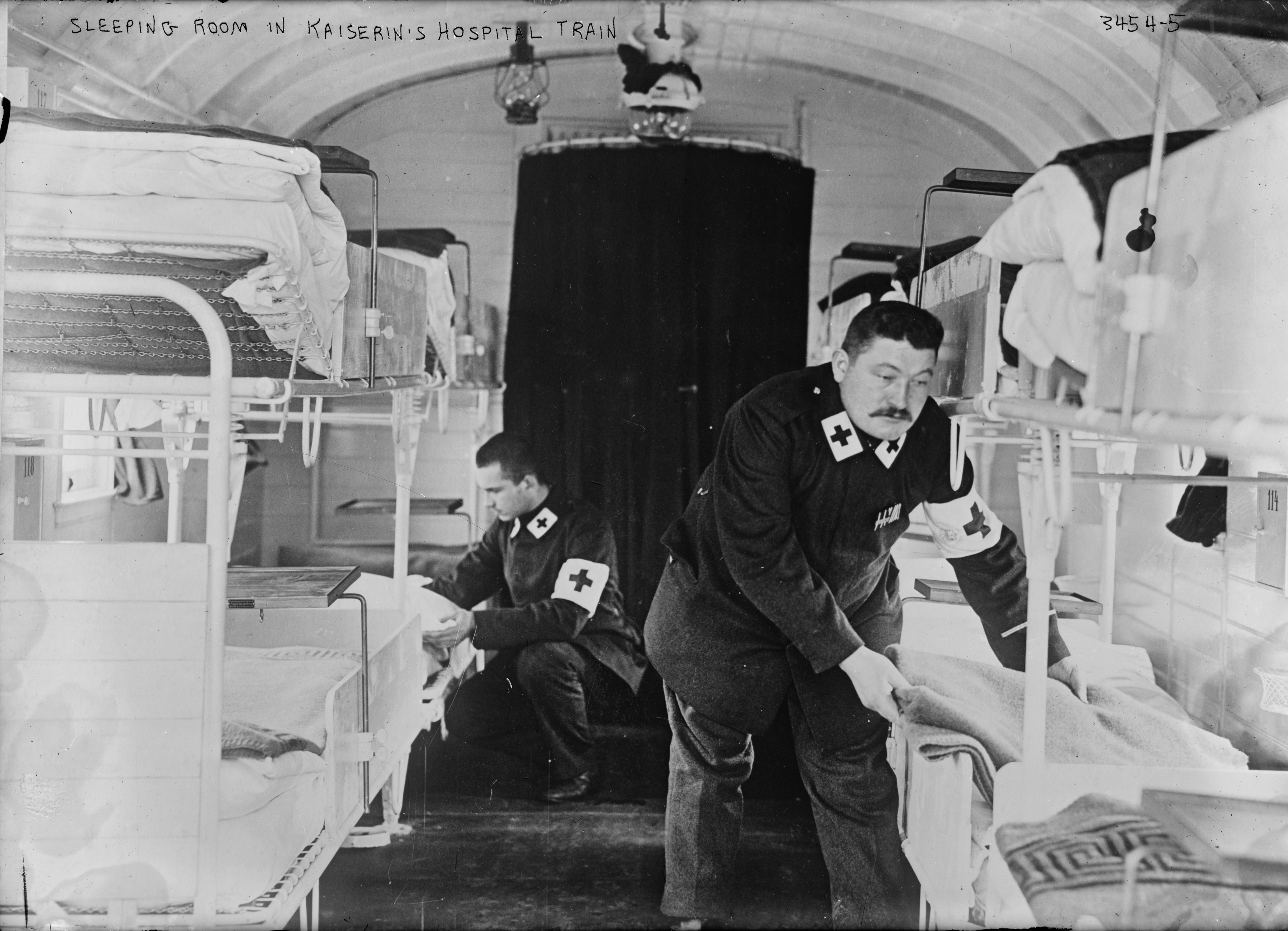
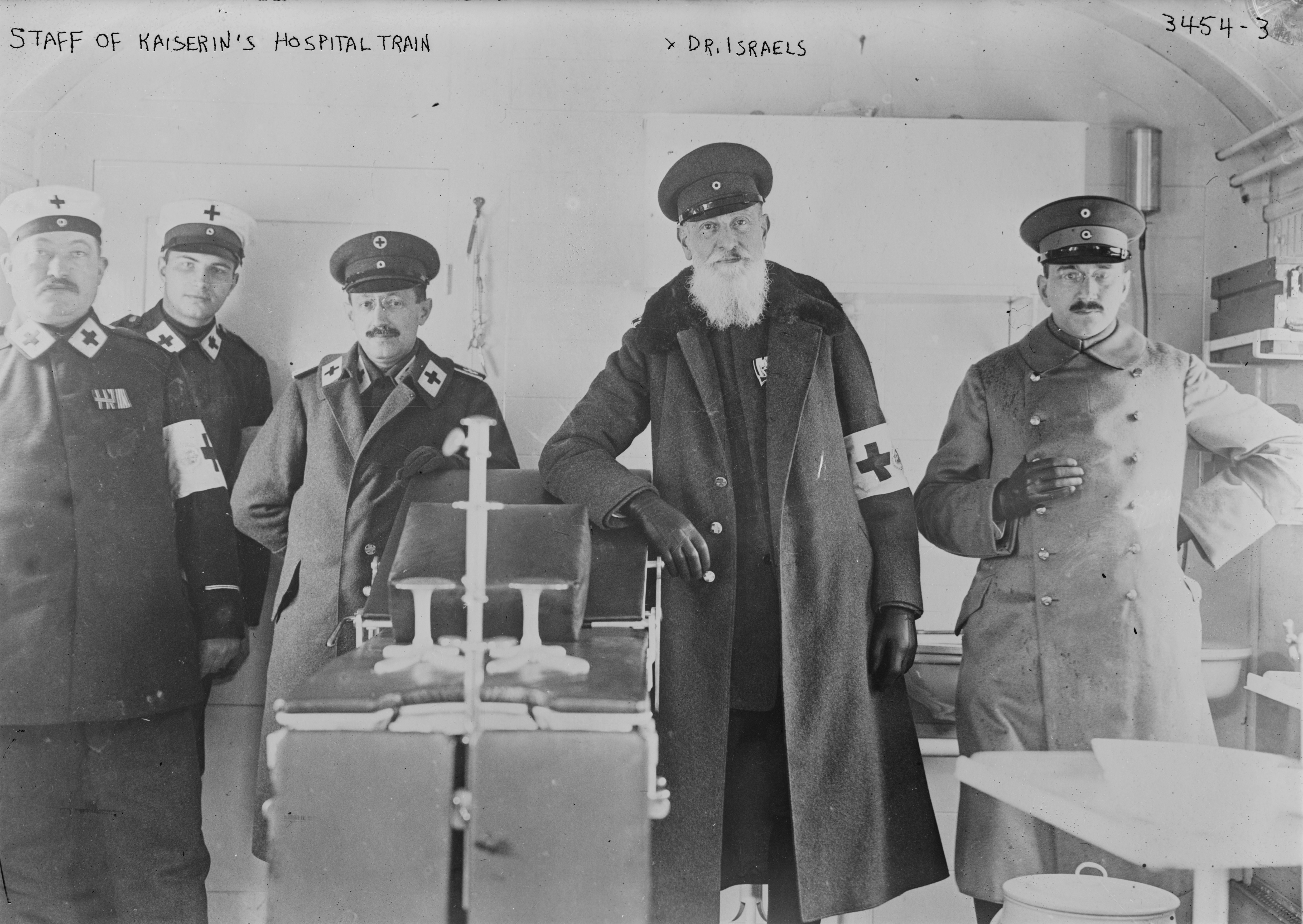
World War II (1939-1945)
Hospital trains reached their pinnacle during World War II, although they were used in many conflicts. The number, complexity and resources devoted to hospital trains during this war far exceed that of any other period. This page focuses on domestic applications for injured troops coming home. Countless other hospital trains were used to carry troops in the various theatres of the war, often using a wide variety of locally available equipment.
As patients arrived from overseas on huge hospital ships, they were moved to hospital trains waiting at the ports. During WWII, planes were seldom used for medical evacuation. The supply was limited and they were all needed for other duties. In addition, medical air transportation was a new concept that was not well developed. The patients traveled by train to the military hospital closest to their home of record, or best specialized for their type of injury, to continue treatment and recovery.
Historic videos of various activities around Army hospital trains around the world are found in our Motion Picture archive.
This World War II-era ad from the New York Central gives a detailed description of a typical car on an Army hospital train.
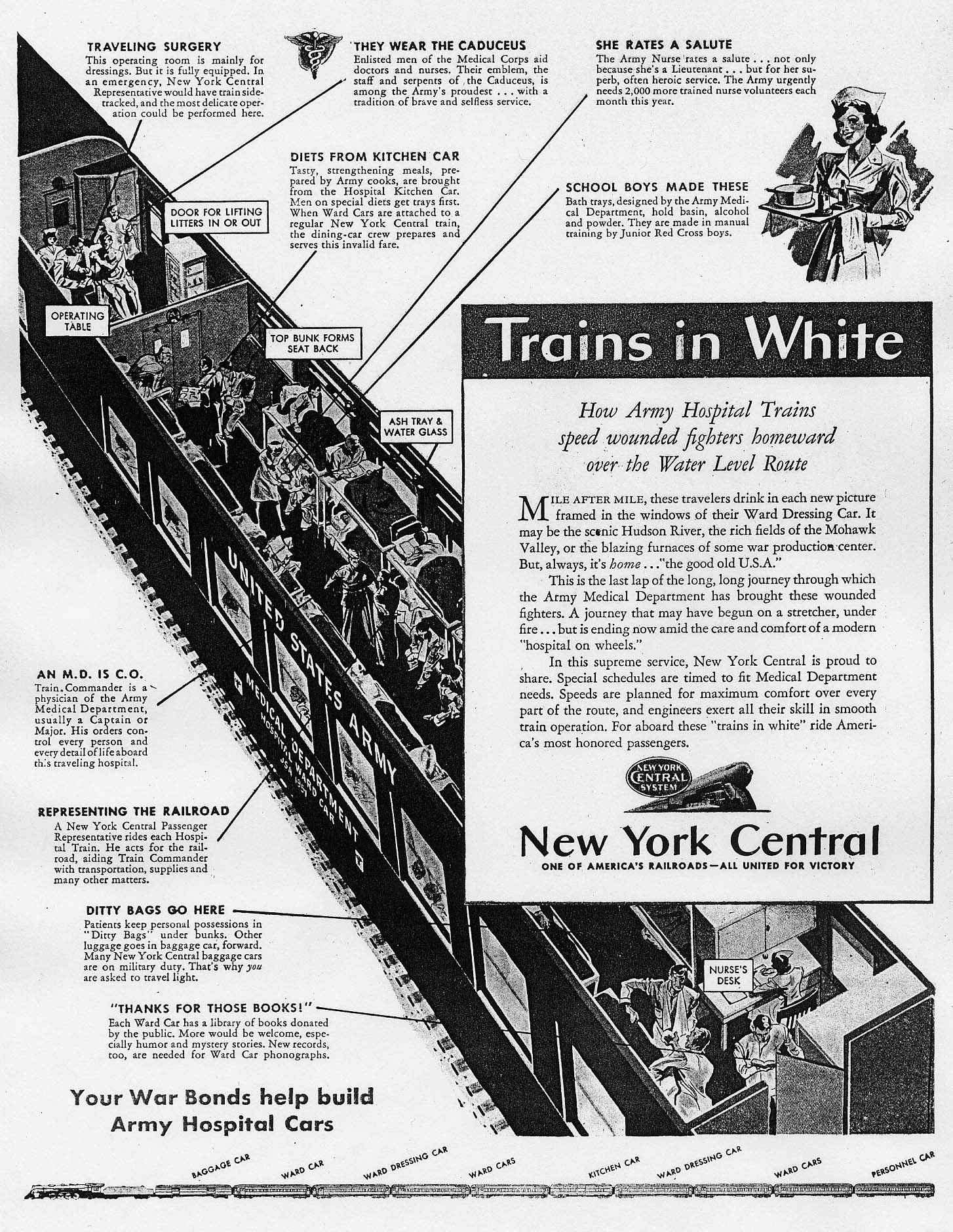
The Army experimented with several different designs of hospital cars during WWII. Notice the diagram at the very bottom of the advertisement above, showing how different cars were arranged in a hospital train. Types of cars included:
Ward Cars: Like a hospital ward, these cars contained berths to hold patients.
Ward Dressing Cars: Ward cars with a “dressing room” at one end. The dressing room was a clean area used to change dressings. Surgery was not normally done on hospital trains, but the dressing room could also serve as an operating room for emergency surgery.
Kitchen Cars: These cars held kitchens and food storage areas to prepare meals for patients.
Unit Cars: A hybrid design that served as a self-contained “unit,” these cars typically had a ward area with berths, a small kitchen, and a dressing room. The unit car became the most popular design, because of its flexibility.
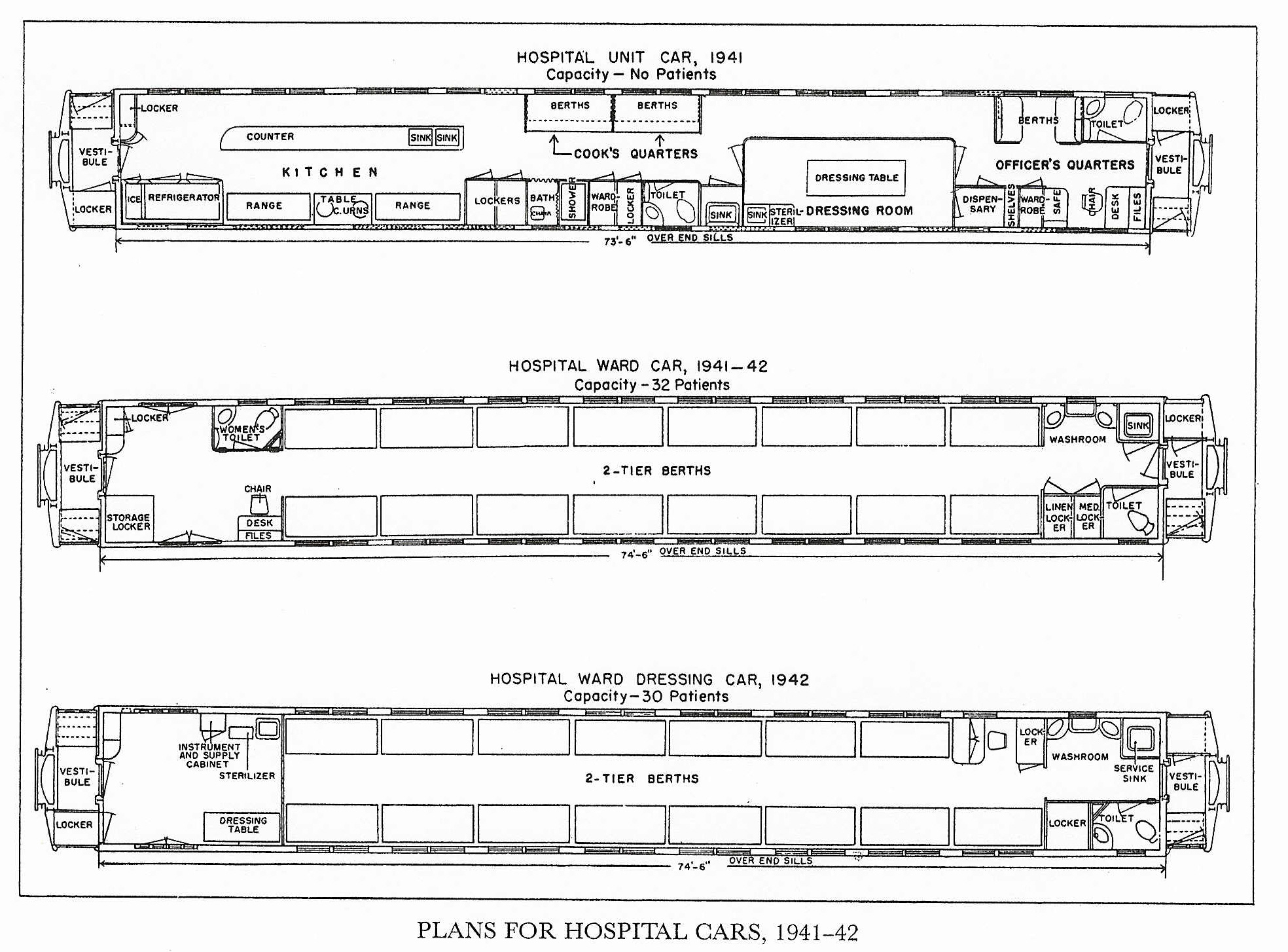
Often a long hospital train would depart from a port, using a kitchen car to provide all meals for the whole train. Along the way, some of the unit cars would be removed, to route to other destinations. Once they detached from the “mother train,” these unit cars took advantage of their independent capabilities and used their smaller onboard kitchens to supply the meals.
By the end of World War II, the U.S. Army owned 202 unit cars, 80 ward cars, 38 ward dressing cars and 60 kitchen cars, a total of 380 cars.
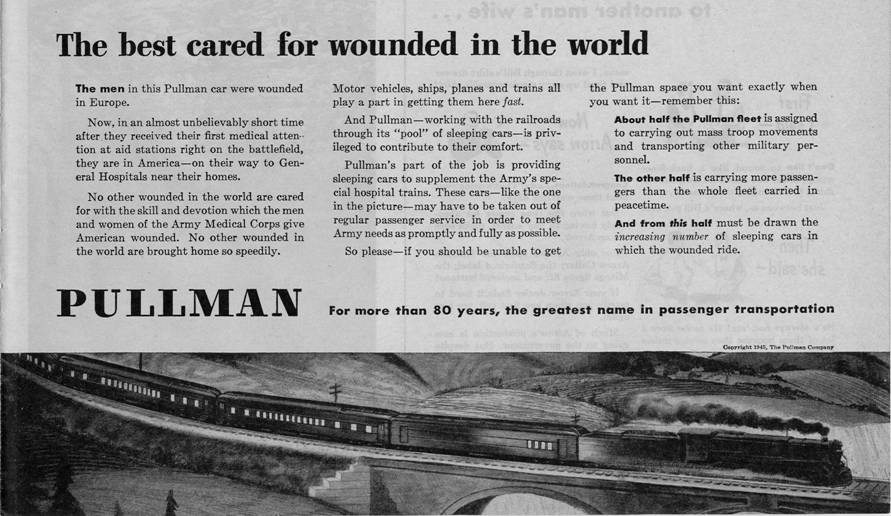
When the Army needed more capacity than the fleet of hospital cars permitted, it leased section sleepers and chair cars from the railroads. These cars could carry soldiers who were more ambulatory and did not require as much care. Pullman took out this ad (below) in 1945 to show its contribution to the war effort. The bunk layout is similar to the hospital cars, but most hospital cars had three tiers instead of two, and the hospital cars had large side doors for loading from litters (stretchers). The section sleeper cannot accommodate litters, because the path to the door involves a narrow offset hallway with several 90-degree turns which a litter cannot navigate. Unlike the Army hospital cars, which were built or modified specifically for medical use, the Pullman cars were taken from the existing civilian passenger fleet.
After the war, most cars were sold; many were converted to passenger coaches or dining cars to replace older equipment worn out from wartime overuse.
Don't miss our exclusive digitized film clips of WWII hospital trains in action on our Motion Pictures page.
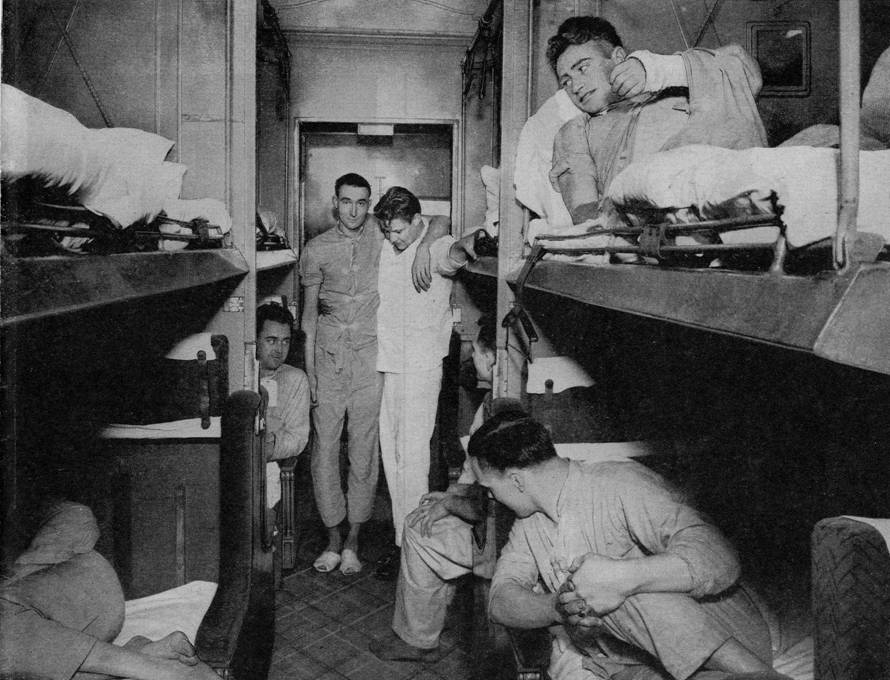
Below: Interior view of a hospital car with 36 berths and a kitchen at one end.
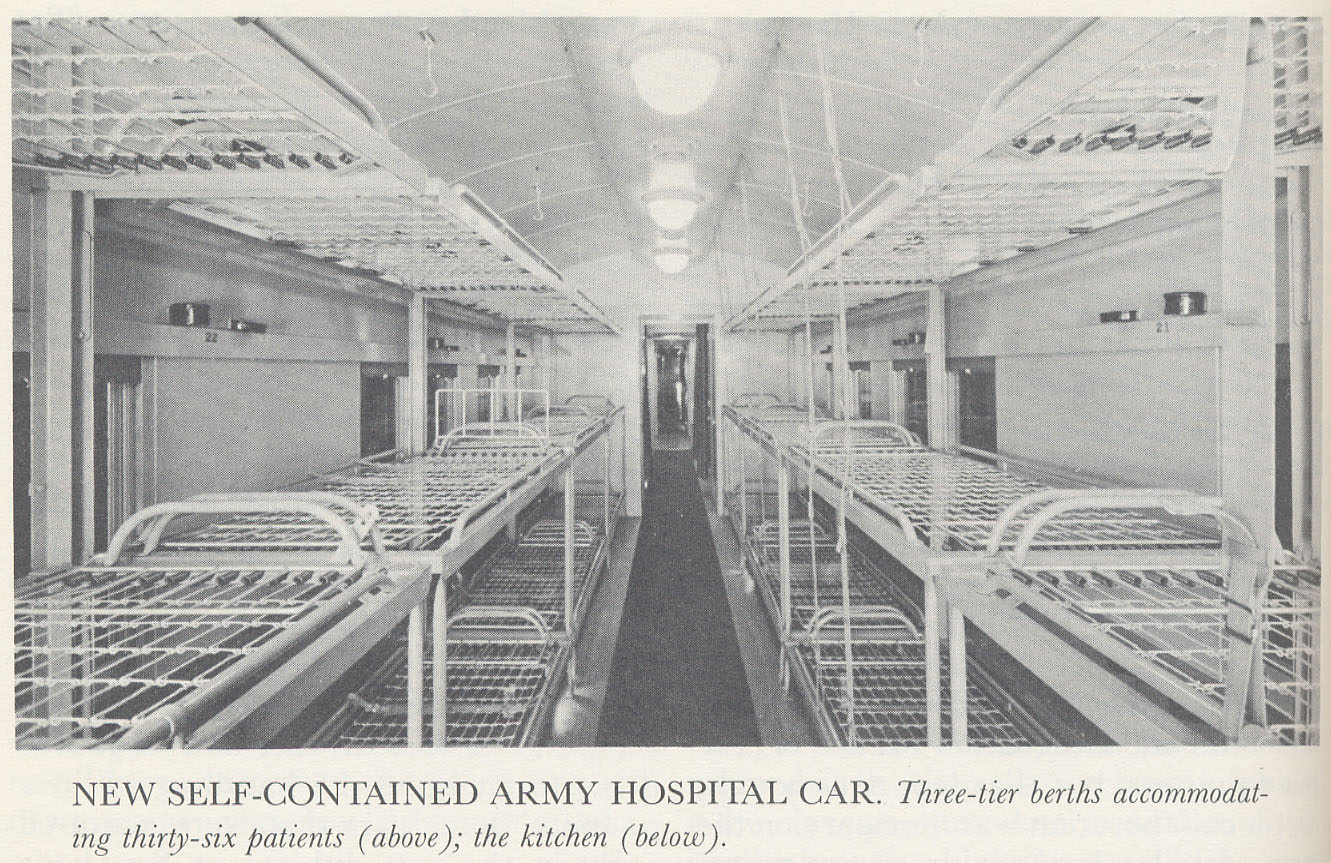
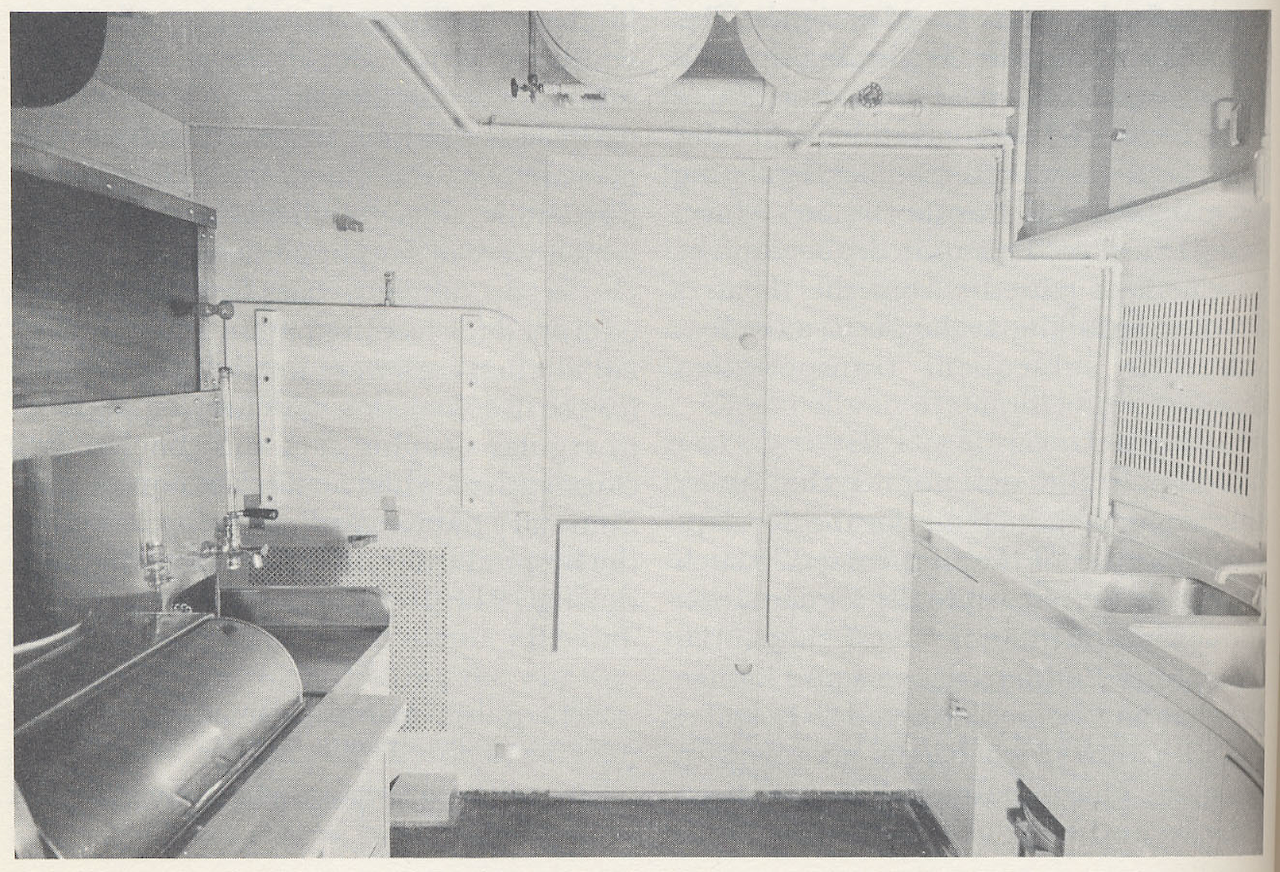
From: Wardlow, Chester. The Transportation Corps: Movements, Training, and Supply. (Series: United States Army in World War II. Subseries: The Technical Services.) Washington DC: Department of the Army, 1956, p. 72. Not copyrighted.
Below: A scene from a busy hospital train during World War II.
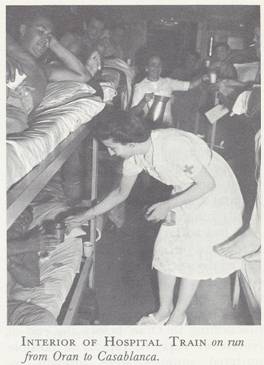
From: Wiltse, Charles M. The Medical Department: Medical Service in the Mediterranean and Minor Theaters. (Series: United States Army in World War II. Subseries: The Technical Services.) Washington DC: Department of the Army, 1965, p. 207. Not copyrighted.
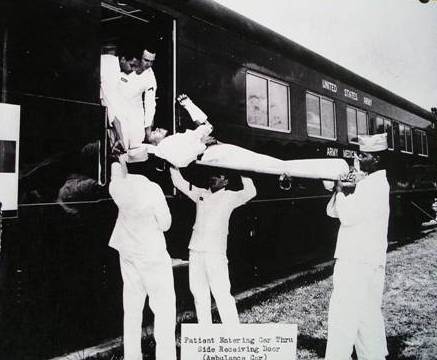
The hospital cars had large side doors to facilitate loading and unloading patients, as shown in the undated photo below.
The Korean War (1950-1953)
The remaining hospital cars from WWII were sent to Korea, and replacements were ordered. These replacement cars represented the latest generation of hospital cars, but they were nearly identical to the later WWII cars, the designs having been so thoroughly tested and perfected during that time. Hospital trains played a critical role in the Korean War, but the use of air for medical evacuation increased dramatically, ultimately displacing railroad transportation altogether. This was the last war in which the U.S. used hospital trains. After the war, the replacement cars were stored in the U.S. for several years, but never used, and ultimately sold as surplus. Several remain in museums today (see Additional Sources of Information.)
We have exclusive digitized demonstration films showing the new equipment ordered to replace the WWII cars sent to Korea on our Motion Pictures page.
Below: Hospital car number 89531 at the Army Medical Museum at Fort Sam Houston, San Antonio, Texas. This is a unit car with 27 patient berths, a receiving/dressing change area, a small kitchen, quarters for a crew of 6, a shower and restrooms. The car resembles a section sleeper, but the beds are stacked in tiers of three, without walls between the sections. Cars such as this provided the highest level of care to seriously injured soldiers, attended by doctors, nurses and medics on board.
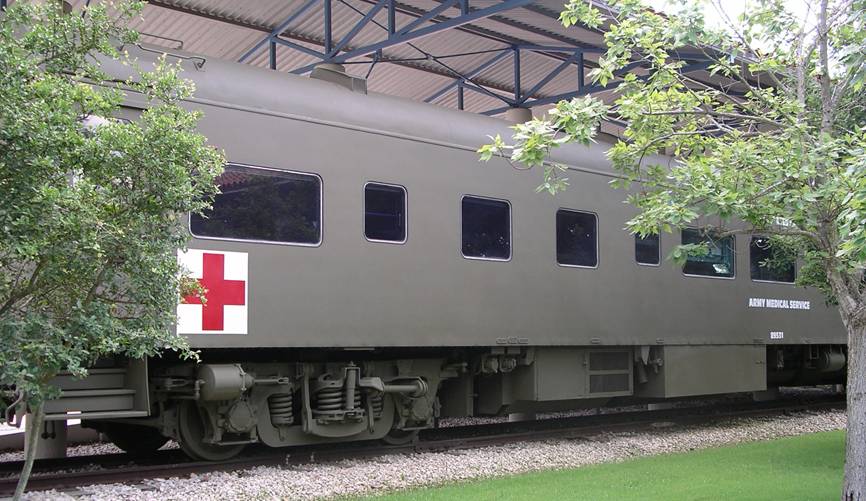
Photo by the author. Copyright 2006.
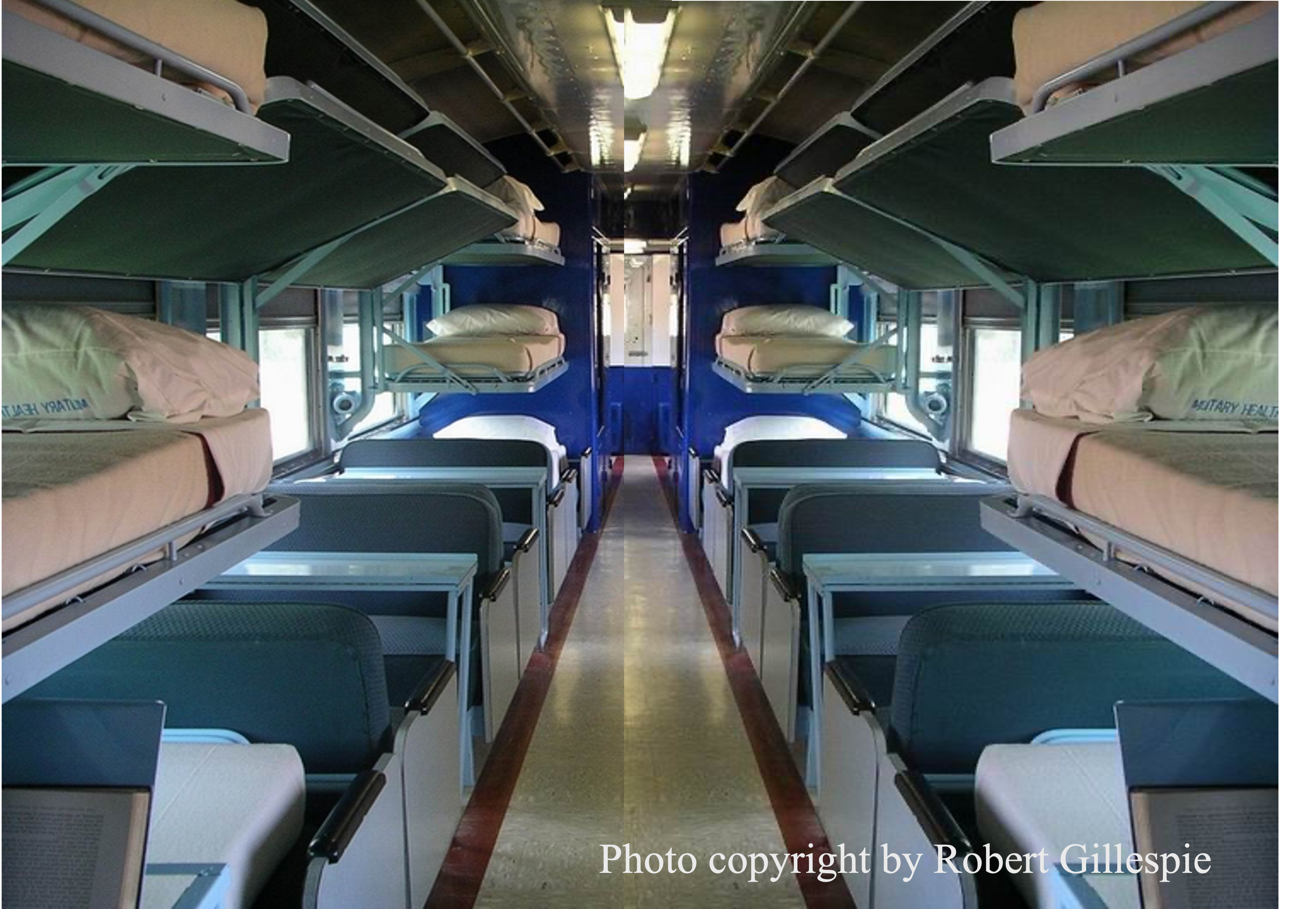
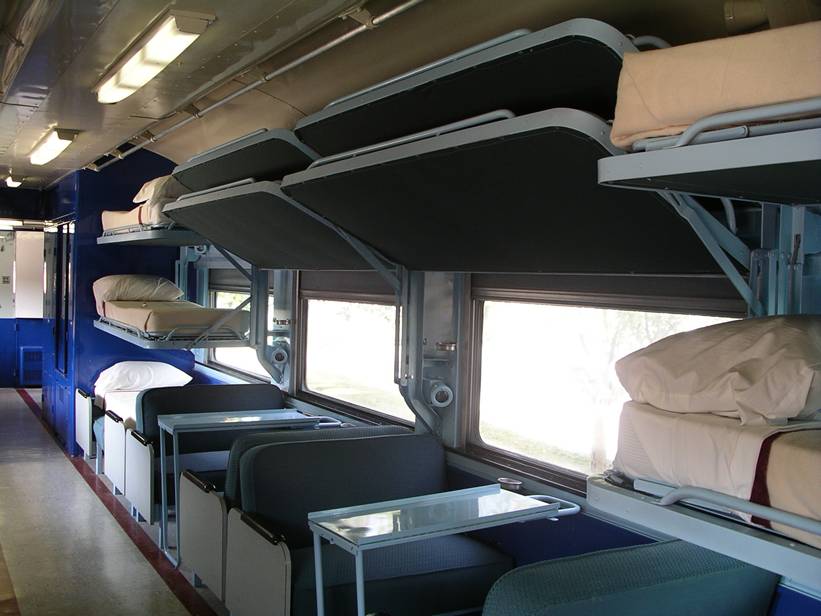
This composite photo, above, shows the interior of the Army Medical Museum’s unit car #89531. It has 27 berths in the center of the car, with a kitchen, receiving and dressing area at one end, and crew quarters and restrooms at the other end. (In the actual museum car, some of the bunks have been removed to provide space for other exhibits.) During WWII, the Army mandated that all its hospital cars have air conditioning, quite a luxury at that time.
Below: Berths on the hospital cars were compact but comfortable, and certainly lavish compared to battlefield conditions. (photo copyright 2006 by Robert Gillespie)
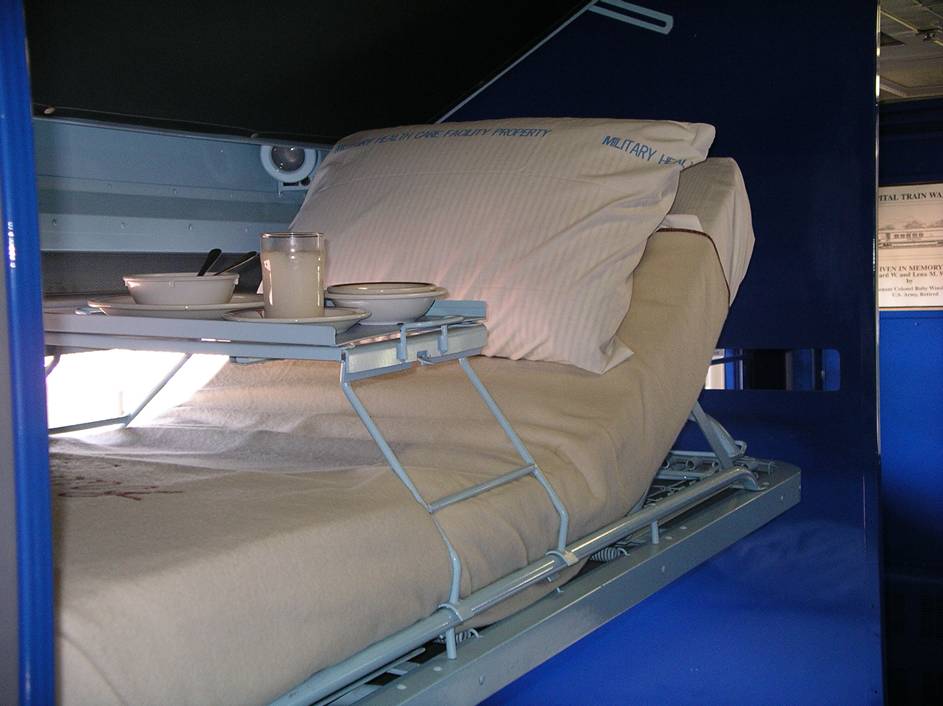
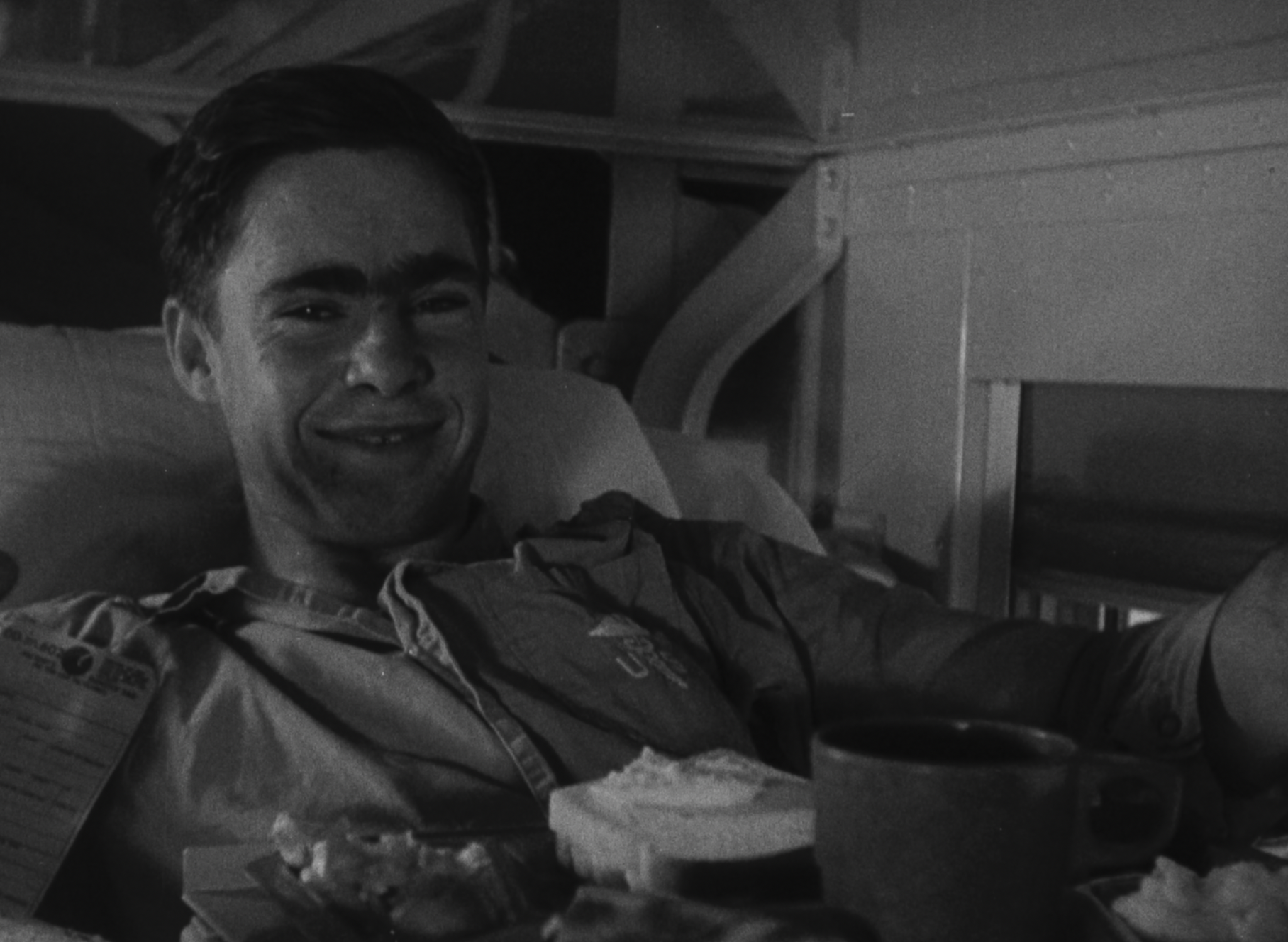
This clip (above) from a 1954 Army film in our motion picture archive shows a soldier eating in a bunk nearly identical to the one above.
Below: During the daytime, the crew could fold away the berths to create sitting areas. (photo copyright 2006 by Robert Gillespie)
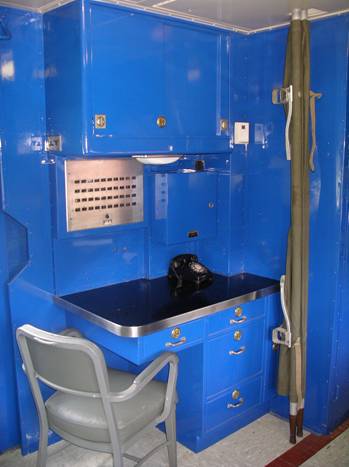
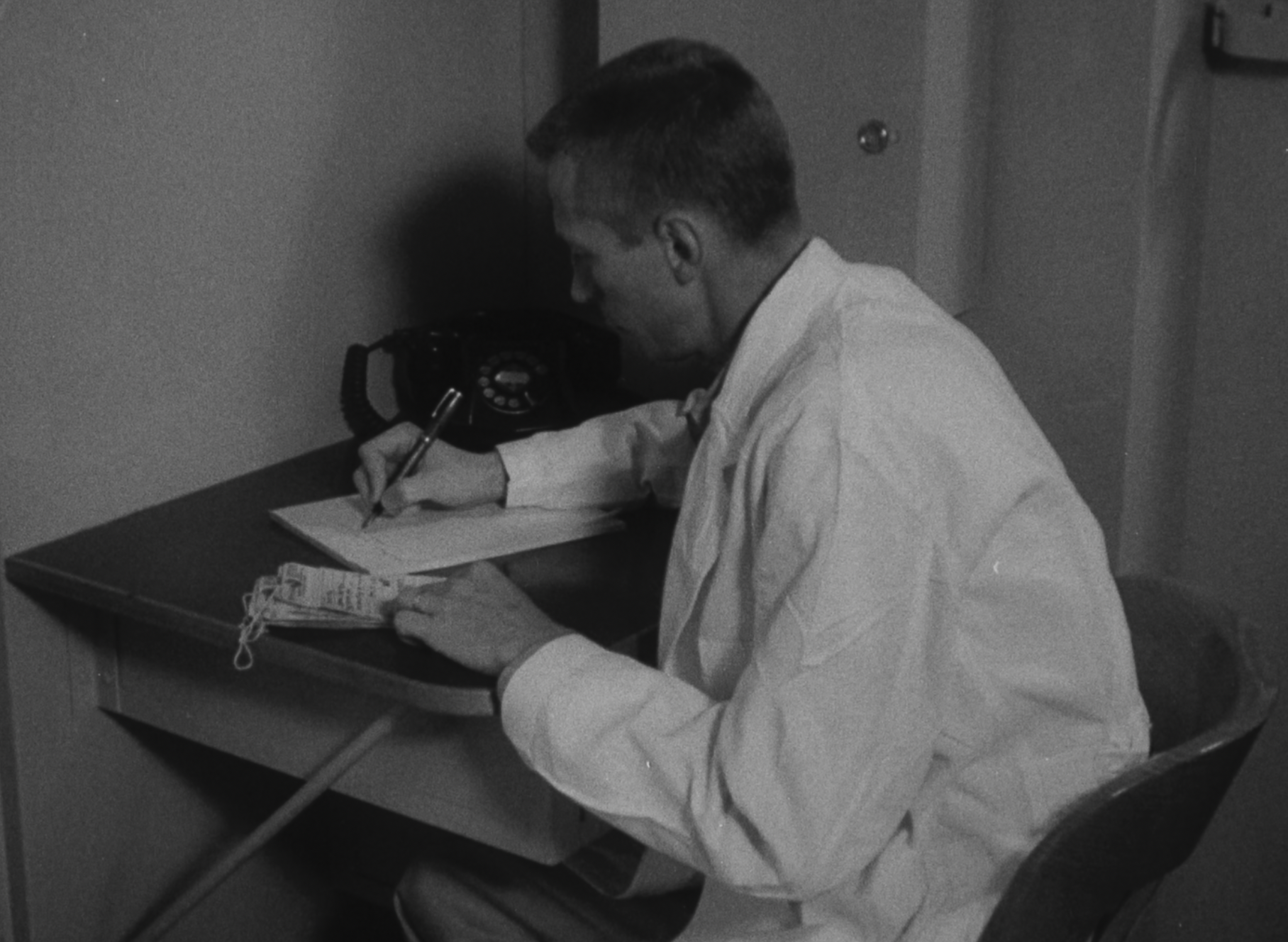
At one end of the unit car is a receiving/dressing change area with a desk and sink. The modern photo shows a scene very similar to that from a 1954 film (in our motion picture archive.) (Color photos copyright 2006 by Robert Gillespie.)
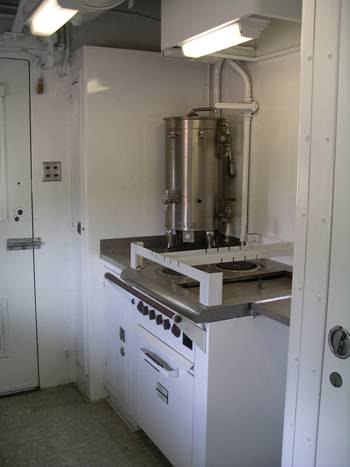
Just beyond the desk area was a small kitchen (above.)
The Army found that railroad dining-car crews did not adapt to hospital life well, being unfamiliar with special medical diets and unwilling to provide meals around the clock. Eventually, the Army opted to provide its own food service using baggage cars converted to kitchens, and purpose-built kitchen cars such as #89601, below. This car is fully equipped with a huge coal-fired stove and oven, iceboxes, pantries, sinks, work areas and a shower. It has self-contained hot and cold water and electrical systems, so it will function whether it is attached to a train or not. Meals would usually be prepared here and taken to patients in other cars on trays.
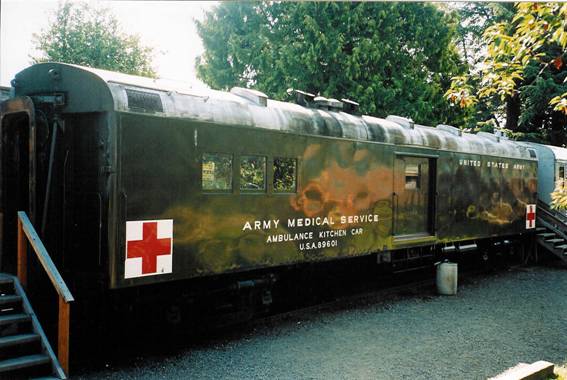
The kitchen car #89601 above belongs to the Northwest Railway Museum in Snoqualmie, Washington. It has much in common with unit car #89531 from the Army Medical Museum shown earlier on this page. Both cars came from the St. Louis Car Co. in 1953, built for the U.S. Army Transportation Corps. Both cars were built to replace nearly identical WWII-vintage equipment sent overseas during the Korean War. Both cars never actually saw service; they were stored, retired unused, and sold to private concerns before the museums acquired them.
Hospital Cars vs. Troop Sleepers
Railroad fans often ask how the hospital cars were related to another widespread WWII railroad car, the Army troop sleepers.
The answer is that they had little in common, as shown in the comparison below:
| Hospital Car | Troop Sleeper |
Purpose | Carry injured troops to hospital facilities | Carry healthy, active troops to and from bases |
Design base | Built from passenger-car shells | Based on freight car design (they were essentially glorified boxcars) |
Berths | Tiers of 2 or 3 | Tiers of 3 |
Berth layout | Parallel to long axis of car (Ideal for moving patients on/off litters, and for medics to observe all patients in a single line of sight) | Perpendicular to long axis of car (It would be impossible to carry litters to the berths, and difficult to observe patients with this configuration) |
Air conditioning | Always | Never |
Medical facilities | Many cars equipped with dressing-change facilities, sterilizers and other equipment | None |
Kitchen facilities | In some cars | No (always used separate kitchen car) |
The Present
Currently, the only use of military hospital trains is in Ukraine, where specially converted trains cars are now being used as mobile intensive care units, to transfer injured soldiers to hospitals.
The Future
Hospital trains could be very useful in times of natural or man-made disasters. Medical care and evacuation following Hurricane Katrina was a complete fiasco, with patients being moved on baggage carts or being left to die on the tarmac. Poorly equipped doctors and medics struggled to treat patients in the airport terminal, a building never intended to serve as a medical facility. A well-designed and carefully pre-positioned medical train could have brought supplies, personnel and hospital-grade facilities to the scene quickly and efficiently, and could be used to transport large numbers of patients efficiently to medical facilities in other areas. Perhaps it is time to develop a hospital train for the 21st century.